JPMorgan Chase, Visa, and Mastercard have confirmed incidents involving third-party service providers after the N0n extortion group published data it claims came from each brand’s customers. SecurityWeek (November 20, 2026) summarizes each company’s statements and reports that none of the three identified the affected providers or how many customers were impacted.
This is primarily a phishing and impersonation story: JPMorgan describes marketing data that may include names and emails; Visa says its own systems and payment data such as card numbers were not impacted; Mastercard describes a limited amount of email addresses that are non-payments information from a benefit-program subset — still enough to craft convincing Chase, Visa, or Mastercard lures.
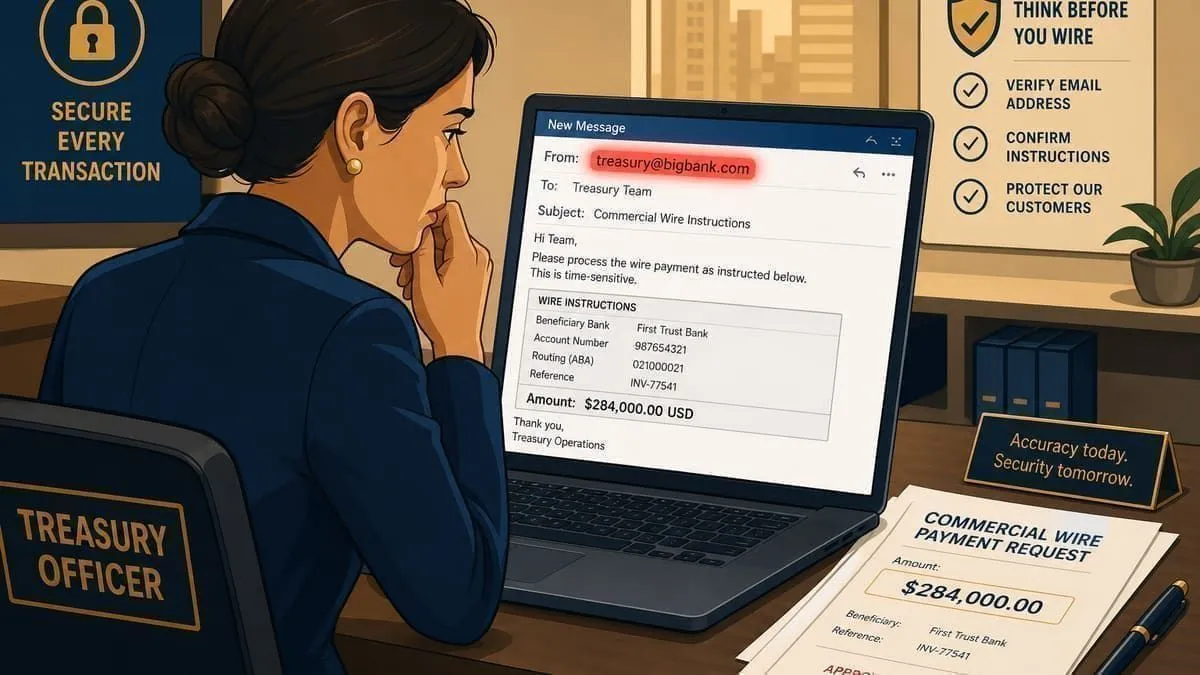
What each company confirmed
JPMorgan Chase
Per SecurityWeek, citing a Thursday post on X, JPMorgan said companies providing services to the bank were hit by a cyberattack. Based on its investigation so far, the bank believes attackers accessed certain marketing data held by those vendors, which may include some customer names and email addresses. The bank stated no disruption to our services and said the incident is unrelated to separate customer-facing problems reported earlier in the week. JPMorgan said it plans to reach out to impacted customers where appropriate and offer free credit monitoring.
Visa
SecurityWeek cites Visa’s statement that claims are associated with an incident involving a third-party service provider in Asia Pacific. Visa said neither its own systems nor payment data such as card numbers were impacted.
Mastercard
SecurityWeek cites a Reuters statement: Mastercard learned of an incident at a third-party provider that exposed a limited amount of email addresses — non-payments information — from a small subset of cardholders enrolled in a specific benefit program. Mastercard said its payment network was not affected and cardholders can still use cards.
Unverified: N0n group volume claims
SecurityWeek reports that on November 16, N0n claimed JPMorgan-related engagement data spanning “hundreds of thousands of campaign interactions for tens of thousands of distinct cardmember email addresses” according to Reuters, plus comparable claims about Visa and Mastercard the same day.
| Claim source | Status |
|---|---|
| Vendor incidents at banks/payment brands | Confirmed in company statements summarized by SecurityWeek |
| Visa: systems and card numbers | Not impacted per Visa (via SecurityWeek) |
| Mastercard: payment data | Email addresses only; non-payments information (via SecurityWeek / Reuters) |
| JPMorgan: card numbers in this disclosure | Not described — marketing data (names/emails may be included) per JPMorgan (via SecurityWeek) |
| Specific provider names | Not disclosed by the three companies in this reporting |
| Customer counts | Not disclosed by the three companies |
| N0n leak-site volumes, file sizes, or “hundreds of thousands” figures | Unverified — extortion-group marketing unless independently confirmed |
| Reuters review figures (e.g. “over 16,000 customer emails” in JPMorgan-related files) | Reported by Reuters via SecurityWeek — media analysis of leaked files, not a bank confirmation of scope |
SecurityWeek also notes N0n emerged in September and lists roughly 200 alleged victims on its leak site. Treat the site as criminal infrastructure, not a regulator filing.
How bank customers should verify email
1. Open the Chase app or type chase.com yourself.
Do not use “verify account” buttons in unexpected email. Chase publishes fraud guidance at chase.com/digital/resources/privacy-security.
2. Real Chase fraud texts often use short codes — not random 10-digit callbacks.
See our Chase card-hold SMS scam pattern for a documented fake-text shape. An email + name pairing from a marketing vendor leak can make new lures more believable without proving Chase itself was breached.
3. Visa and Mastercard rarely ask you to “confirm card numbers” by reply email.
If a message references a benefit program, check the program site you already bookmarked or call the number on the back of your card — not a link in the message.
4. Free credit monitoring offers should match the bank’s official channels.
JPMorgan said it will contact impacted customers where appropriate. Enrollment links that arrive before your institution’s notice are suspect.
5. Small businesses: separate treasury mail from marketing lists.
Vendor-held marketing data can still power BEC against owners who reuse personal email on business banking.
| Red flag | Safer move |
|---|---|
| “Your Chase account was in the N0n leak — click to freeze” | Sign in via the app; call the number on your card |
| Visa/Mastercard logo with urgent attachment | Delete; visit issuer site directly |
| Credit monitoring link from an unknown domain | Wait for the institution’s letter or in-app alert |
Related reading
- Chase card-hold SMS scam (Sep 2026)
- Chameleon SEO poisoning — bank search phishing
- National banks MFA scorecard
- Texas financial institutions OAG tracker
- Financial services AG breach tracker
- MFA support directory
Check your domain free at audit.emailmenow.com, add Domain Watch ($29/mo) for weekly mail-authentication drift monitoring, add Cybersquat Domain Monitoring ($49/mo add-on) to watch lookalikes of your own domain, or unlock the Full Audit Report ($99) via automated reports and monitoring. We did not run new domain score audits for this advisory.
Sources: SecurityWeek — JPMorgan, Visa, Mastercard third-party incidents (Nov 20, 2026). Company statements summarized therein (JPMorgan post on X; Visa statement; Mastercard via Reuters).